
Blog
Preparing for Motherhood (But Not for Nursing)

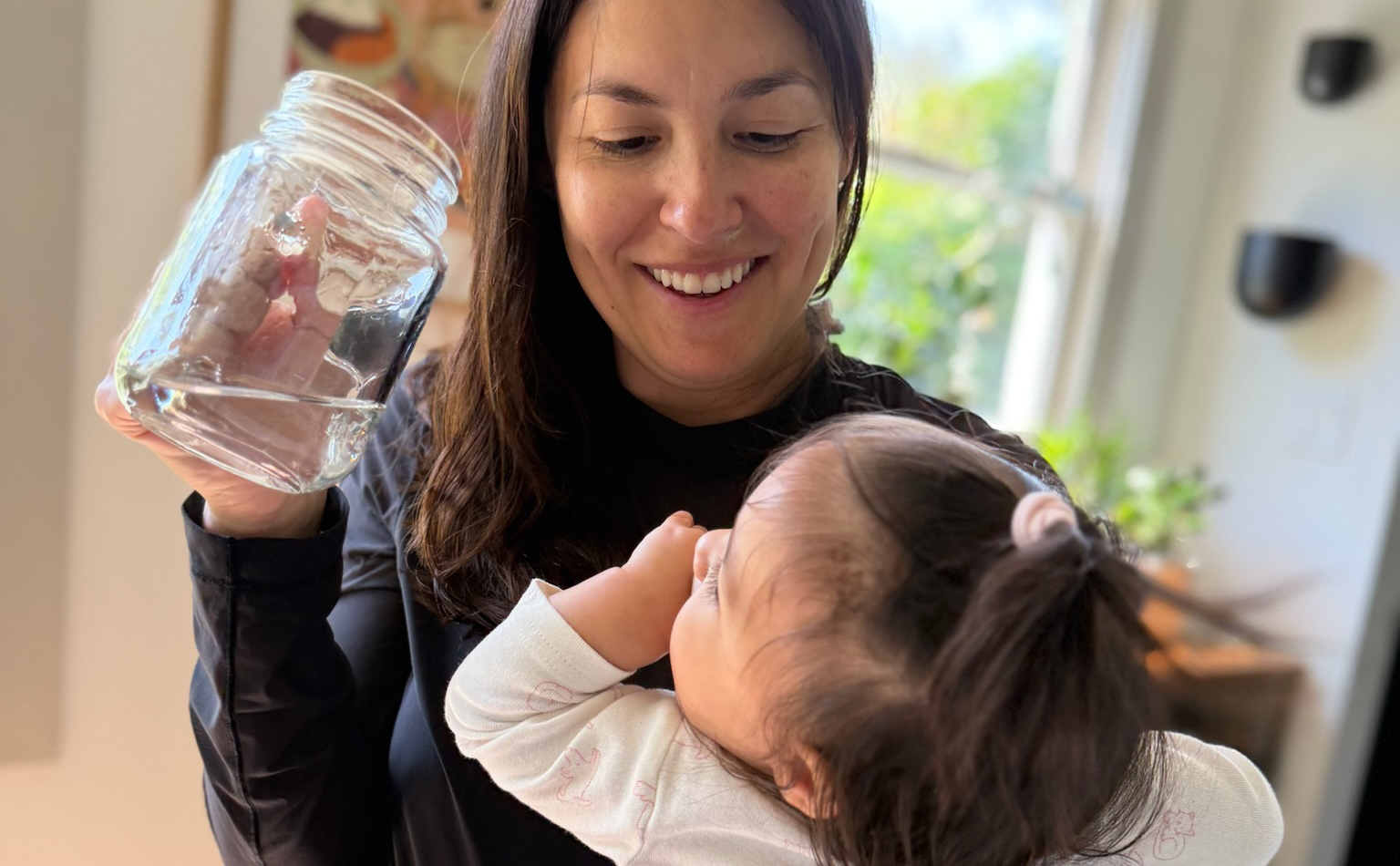
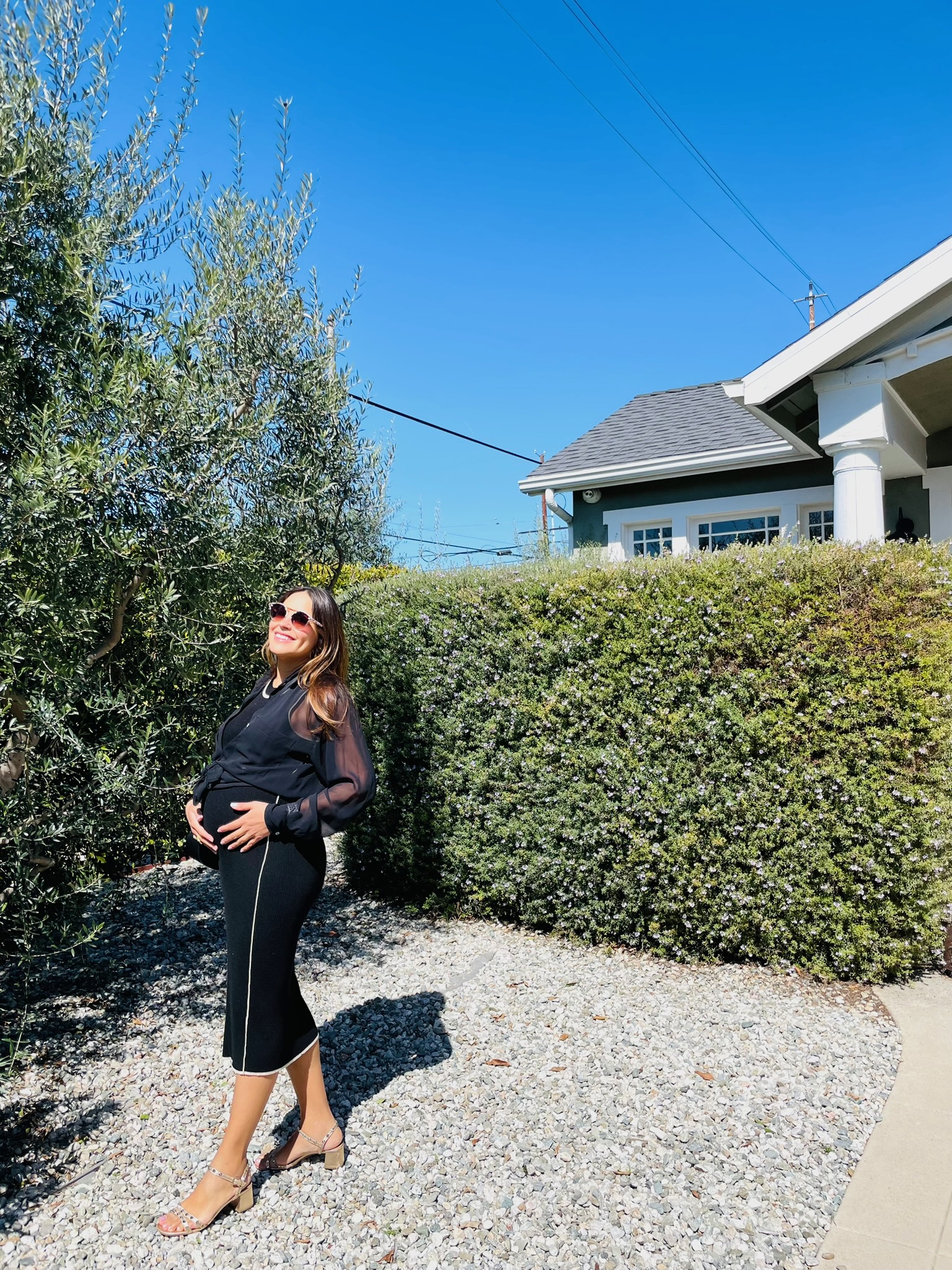
Before I became a first-time mother, I focused on the big transition into motherhood by reading books on nutrition, clean skincare, and which supplements were the best to ensure a healthy pregnancy and baby. I celebrated through whimsical pregnancy reveals, maternity shoots, water ceremonies, and baby showers. I spent months selecting the right birth center and learning as much as I could about birthing without pain medications.
My attitude going into my breastfeeding journey was ambivalent at best, if it worked out, great, and if it didn’t (because I had heard from friends that it could be challenging), I’d figure it out along the way. The stakes felt low compared to birthing a human and I also didn’t have any reason to believe that I wouldn’t be able to figure it out as I went. Little did I understand then, that breastfeeding would become a full-time job, a source of intense post-partum anxiety, an indescribable bond, and at times, an obsession.
It’s comical to reflect on how little time I spent preparing for the breastfeeding journey itself which can be for many women a years’ long journey. I devoted a couple of hours at best to learning about this endeavor, and only because two weeks before giving birth a friend recommended to me Aeroflow, an online health platform that specializes in helping consumers navigate insurance benefits such as access to free pumps and offers free courses on how to breastfeed and pump in the early days (I highly recommend!). And yet during my pregnancy there was little conversation with my providers of what I could anticipate from the breastfeeding journey – all of that appears to be relegated to lactation consultants for the moments you are already sleep-deprived, recovering from birth, and in the thick of trouble-shooting. We need to learn what to expect and what aids our journey.
Where Nourishment Meets Love
My breastfeeding journey began within moments of birthing my daughter, when my midwife placed my daughter on my chest for what they call “the golden hour.” It was at this moment that she helped my daughter latch and feed for the first time outside the womb.
That moment of first skin-to-skin connection and nursing her will forever be seared into my heart and mind. Nothing could have prepared me for the feelings that flooded my body. Imagine that you can suddenly fly or that a feeling of belonging that you’ve been searching for your entire life is magically resolved. I could not have fathomed during that first nursing experience how much I would struggle for several months to recreate that perfect moment. The days, weeks, and months that followed were, single-handedly, the most emotionally, physically, and mentally demanding days of my thirty-eight-year-old life.
I couldn’t separate my love and attachment to my daughter from the act of connecting with her in such a raw and profound way, I felt as if my new role of “mother” was all encompassed into this one single act. I understood so little about how to sustain feeding her around the clock because throughout my pregnancy, nursing had been such an afterthought. Nourishing her this way was visceral and the pressure of doing it right was often times more than I could handle on my own. I would come to learn that I wasn’t alone and that – many women describe breastfeeding as “the hardest thing they have ever done in their lives” and I’ve heard this from women of all backgrounds, even from a neurosurgeon I met at a postpartum class who told me that “hard” doesn’t even begin to describe how challenging the nursing journey can be.

It Takes a Village (and a Lot of Water)
Breastfeeding is a marathon, not a sprint. It takes practice and a great support network. My support network included my husband, my lactation specialist(s), neighbors, my mother, mother-in-law, craniosacral therapists, family, donated breast milk, midwives, chiropractors, therapists, feeding bras, fellow mothers, mechanical pumps, and Aguavida. I’m 100% certain that I would have given up on breastfeeding if it weren’t for the support I received. When they say it takes a village there is no exaggeration in that statement. It’s so important to eat enough calories, stay well hydrated, and be emotionally supported.
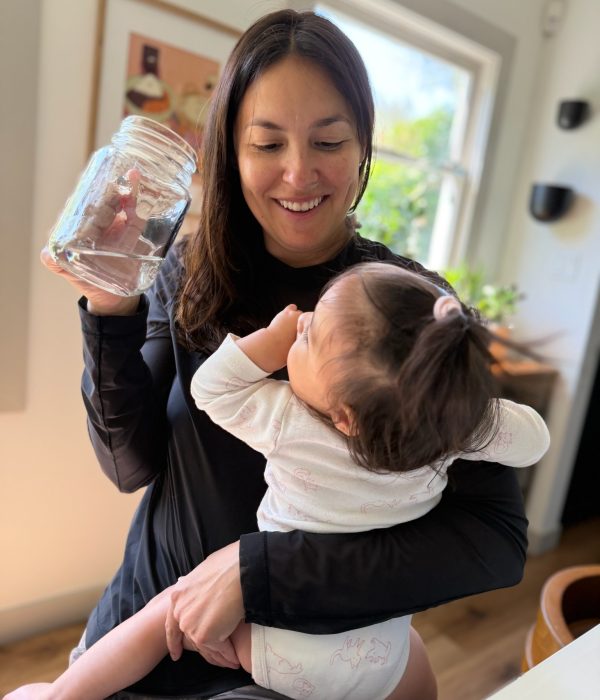
I remember the early days of my mom and husband cooking me nourishing meals, preparing me midnight snacks, and bringing me glasses of water and tea any time I was nursing. In those early days I remember the cramping and intense thirst I’d feel whenever my milk would come down. One of the many things they don’t tell you about this period is the intense physical demand that breastfeeding requires – and a lot of it comes from the release of oxytocin, “the love hormone,” that releases every time you nurse. You feel an incredible bond, and that release of oxytocin causes the uterus to contract (intense cramping) and also triggers intense thirst. You feel as if you’ve just come from a fasting retreat in the Sahara desert. I remember chugging glass after glass of my Aguavida water.
My breastfeeding journey ended up involving a very demanding schedule known as “triple feeding” when you nurse at the breast and immediately pump afterwards to offer the pumped breastmilk in a bottle every two – three hours in a 24-hour-cycle. Our daughter would take 30-45 mins to nurse at the breast and another 30-45 minutes to drink 1-2 ounces from the bottle, which meant that by the time she was done, it was nearly time to start all over again. This approach had been recommended by the lactation consultants to track how much milk she was having at the bottle and to help increase my milk supply. All these recommendations, though well-meaning and effective to some degree, meant that there was no more than a few hours a day that I wasn’t devoted to breastfeeding. If you’ve ever experienced triple-feeding you can understand that it is intensely demanding both physically and psychologically. During the first three months our baby did not gain weight by the recommended standards, and then the crippling anxiety came in as I struggled to keep up with triple feeding. This is what I mean when I say breastfeeding is a marathon.
“Breastfeeding is a marathon, not a sprint.”!
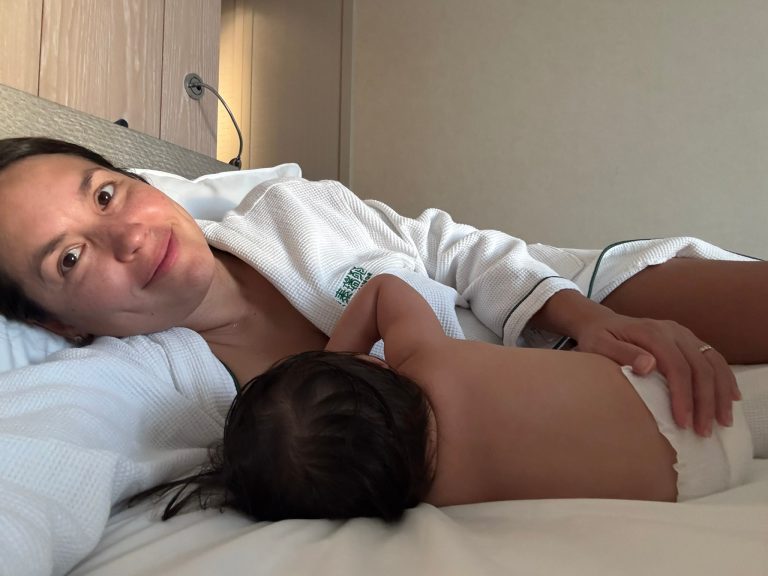
My anxiety about not having enough breastmilk and not being good enough was overwhelming. At times it manifested into intrusive thoughts where I feared that my daughter would prefer the breastmilk coming from the bottle and we’d miss out on our bonding time. It turned out that our daughter had a tongue tie, so part of our struggle was a result of that condition which we only found out months into post-partum. We decided to do the laser surgery needed to release the tension in her tongue that prevented her from taking in more milk at the breast and bottle. This also required a long post-op recovery process where things took time to improve.
During this whole time, I had the peace of mind of what I could control and that was nourishing myself with clean water full of minerals and free of toxins. It was super important to me that if I was going to put all this effort and intention into feeding my child, it was equally important what I put in my body. This was true for me as I prepared to get pregnant, during pregnancy, and now during postpartum. The only difference is that the volume of water I now needed had almost doubled! When they say breastfeeding consumes as many calories as walking seven miles a day, you can’t imagine doing that without proper hydration
One Year In: Reflections on Pressure, Perseverance, and Choice
I have just reached my one-year mark of exclusively breastfeeding, which is an incredible feat given that by the six-month-mark time, two-thirds of women in the U.S. no longer breastfeed. I now understand the intense pressure and obstacles all women face when it comes to breastfeeding.
Our preferences and circumstances are as diverse as we are – there’s just not one-size-fits-all.
I know women who pump around the clock, like I did the first few months, and love the flexibility that offers- whereas for me pumping only triggered my anxiety about not having enough a.k.a. not being good enough. My anxiety only went away around four months postpartum when I stopped pumping and measuring how much milk I was “producing.” Other mothers are able to connect and be better mothers to their child when they have the autonomy and support that formula provides. Most women, however, don’t have a choice and for those who are fortunate to be able to make the choice, many of them will often find they don’t have the support they need.
Nursing her today looks very different than it did during the early days – now I have to deal with a child who moves constantly, sometimes pinches and scratches, but who also looks up at me, stops nursing, smiles at me, and then re-latches. As we have introduced solids, the gaps in time between nursing are longer, and I no longer feel the pressure I did in the early days. However, the requirements for me to be well-nourished and to feel emotionally supported have not changed.
I did not expect to fall in love with the experience to the degree I did and could not have anticipated feeling the intense pressure, which came from my fear of failure and fear of losing out on the first thing I had experienced and could provide in this new role. There are many women, who like me, wanted nothing more than to breastfeed and who couldn’t because of the lack of systemic and practical support required to fulfill such a demanding practice.
The Marathon Continues
I’ve decided to continue the marathon. My level of intimacy with my daughter throughout our feeding journey has only deepened with time and it’s become the equivalent of a runner’s high.
No matter the race you’re in, I can say with certainty that all mothers need support and that can come in many forms. Can you imagine doing a marathon without proper hydration, calories, or your loved ones cheering you on?
If you’d like to also start receiving Aguavida directly at your home either via glass or their standard bottles (I use glass!) use my special code “NursingVida” to receive a 15% off discount.